At the core of XM, is understanding what an experience is and where they occur. Once you can understand this, it reveals how and why you should measure them, as well as what it means to gain an insight translated into action.
In this article:
-
What is an Experience?
-
Defining experience gaps and opportunities
There are many definitions for an Experience. For XM and this certification, we will focus on the following definition:
![[Note]](../css/image/note.png)
|
Definition |
|---|---|
|
An Experience is a moment of truth that affects the human components of your business. |
Below are some examples:
-
Customers applying for a loan with your business.
-
Citizens completing their tax returns online.
-
Managers learning new software to manage their teams’ output.
-
Parents seeing an advertisement for a new type of milk substitute for their baby.
-
People using a brand new product for the first time.
When are experiences created?
Experiences are created during a business’s regular activities, for example, buying, selling, delivering services, managing stakeholders, engaging employees, executing processes, manufacturing, distribution, logistics, marketing, etc.
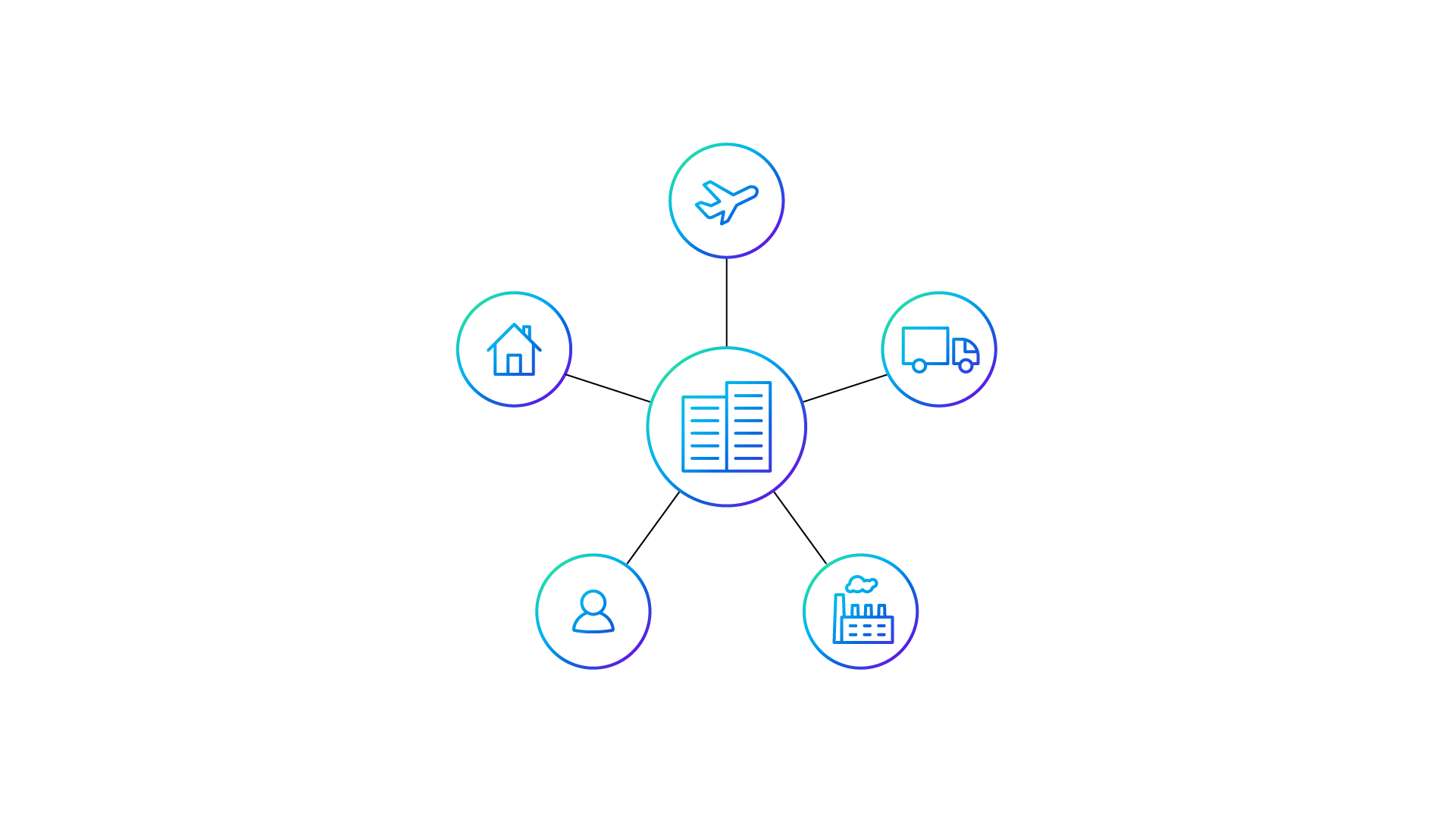
Each activity generates experiences that can be productive or counterproductive for the people that deliver or receive them. Successful businesses monitor these activities for gaps and opportunities to successfully maintain their point of difference from competitors.

An XM program measures your experiences to reveal insights into their effectiveness. There are several types of insights, such as:
-
Breakdowns in processes
-
Opportunities to enhance services
-
Ways to streamline an interaction
-
Moments for education or communication
-
Areas for further investigation
Remember, successful organizations will be the ones who continuously learn, propagate insights, and rapidly adapt. These capabilities will enable organizations to identify differences between what they seek to deliver and what they are actually delivering to customers, employees, or other stakeholders. The insights can reveal the impact and need for action to drive the right outcomes for the business.
Below are some examples of experiences being measured, the insight gathered from the data, the impact revealed, and the potential actions defined to reduce the impact:
|
EXPERIENCE THAT IS BEING MEASURED |
INSIGHT GAINED FROM THE DATA |
IMPACT ON STAKEHOLDERS AND BUSINESS |
ACTIONS TO MITIGATE |
|---|---|---|---|
|
Customers applying for a loan with your business. |
The customer returned multiple times during the application process, each time with different documentation. |
The customer was inconvenienced by poor documentation of the requirements to apply for the loan. The risk that the customer may abandon the process. |
Ensure you publish clear documentation needs for potential applicants. Ensure they are easily accessible in relevant channels early in the application process. |
|
Managers learning new software to manage their team’s output. |
Before the software was implemented the managers were not asked for input on how they would use this tool in their day to day. |
Manager information needs are not understood. Reduced chance of successful adoption. Increased need for additional implementation. |
Build a process to involve target users in procurement and implementation planning. Identify managers to participate in pilot roll-out to give input and support adoption more broadly. |
|
Front line Employees working the night shift in a call center. |
Coffee is not consistently available for night shift call center workers. They feel unimportant to the organization. |
Workers' productivity and ability to be empathetic to calling customers are negatively impacted. Turnover of hard-to-replace night shift workers. |
Structure office catering to ensure coffee supplies do not run out ahead of night shifts. Continue to share night shift worker sentiment with managers and supervisors. |
|
Citizens completing their tax returns online. |
While completing their tax form online, a citizen called the tax authority with several questions. |
Increased load on tax authority call center with basic questions. Citizens may abandon the online tax return due to inconvenience, and turn to the call center instead. |
Publish frequently asked questions available online with the relevant positions on the tax return. Test the wording of the online tax form with the audience before publishing it online. |
|
Parents seeing an advertisement for a new type of milk substitute for their baby. |
The parents liked the product proposition but were unsure if it was suitable for babies under 6 months, so they didn't buy it. |
The advertisement failed to inform parents if the product is safe for their baby. Many parents with babies under 6 months did not buy the product. |
Test the message with the target market to determine any information gaps. Incorporate these into the message planning and campaign execution. |
It is also possible for the insights to include positive learnings where you may underestimate some features or benefits of your organization.
For example, when a brand identifies a competitive strength they did not know they had, this is an opportunity to communicate this strength more heavily in their marketing efforts.
Optional Additional Learning: You can learn more about experiences and defining them with the XM Institute at www.xminstitute.com.